
Graphics in 2026: The Future of Graphic Design
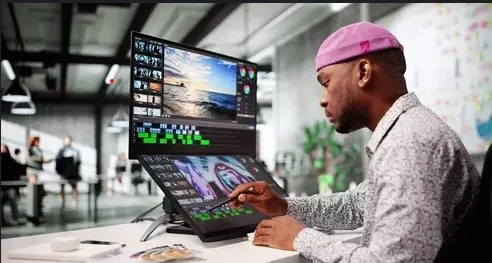
Graphics in 2026 are no longer limited to just static visuals. The discipline of graphic design is expanding into a dynamic, multi-channel practice that shapes how audiences perceive brands, information, and ideas across every medium. In this post, we will explore the future of the industry and what these changes mean for creative professionals and businesses alike.
The Rise of AI in Graphic Design
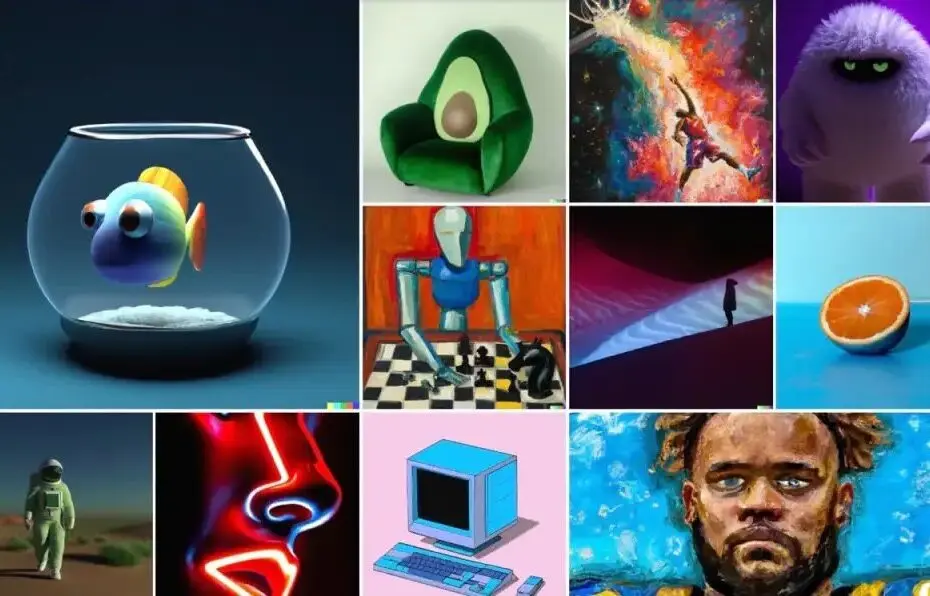
Artificial intelligence has become a standard component of professional practice. AI-generated design is no longer treated as a novelty or a shortcut. Today, the most compelling work uses AI to surface unexpected forms and compositions, which are then refined through human judgment. For instance, tasks like background removal and batch edits now take minutes instead of hours. Therefore, designers can focus more on strategy and cultural relevance.
This shift does not mean that AI is replacing human designers. In fact, a recent report shows that 91% of designers now use AI in their design work at least weekly, up from 54% in 2025. The best designers use these tools for exploration rather than execution. They understand that AI handles scale and speed, while humans provide meaning and authenticity.
Motion and 3D Graphics Take Center Stage
Static visuals are losing their impact in an era of rapid content consumption. People scroll past text and still images quickly, but motion captures attention. In 2026, motion-led branding is intrinsic to brand identity. Logos, typography, and graphic systems are conceived with movement in mind.
In addition, 2026 marks the mainstream adoption of 3D graphics and immersive visuals. 3D elements bring depth and emotional engagement to brand visuals. Whether used in product design or animated brand stories, they create a premium aesthetic. Brands that use immersive visual content look polished and forward-thinking.
The Importance of Human-Centered Design
Even with the rise of AI and advanced technologies, human-centered design remains crucial. The “Imperfect by Design” trend highlights a desire for tactile, organic, and authentic visuals. Designers are incorporating mixed media, collage art, and expressive typography into their work. This approach responds directly to digital fatigue and the over-saturation of polished, AI-generated images.
Furthermore, data-driven visual strategies are becoming essential. Design is no longer purely aesthetic; it is empirical. Leading brands now design based on data insights, such as using heatmaps to influence layout decisions or A/B tests to refine visual hierarchy. Creativity without measurable impact is no longer enough in 2026.
Conclusion: Embracing the Future of Graphics
The future of graphic design is dynamic and technology-driven. AI tools are streamlining workflows, while motion and 3D visuals are enhancing engagement. However, the core of good design remains human creativity and strategic thinking. To succeed in 2026, designers must adapt to these new tools and trends while maintaining a focus on meaningful, human-centered graphics.
What are your thoughts on the future of graphic design? Leave a comment below or share this post with your network!
Internal Linking Suggestions:
- Link to a post about “How to Build a Brand Identity” with the anchor text “brand identity.”
- Link to a guide on “UI/UX Design Trends” using the anchor text “user experiences.”
- Link to an article on “Choosing the Right Design Software” using the anchor text “design tools.”
External Link:
- Include a link to the State of the Graphic Design Industry report when discussing business investment in design.