
Artificial Intelligence and Technology: A Simple Guide for Beginners
Artificial intelligence and technology are rapidly changing the way we live, work, and interact with the world around us. Have you ever wondered how your phone recognizes your face, or how streaming services recommend movies you actually want to watch? This is all thanks to AI. If you are feeling a little overwhelmed by all the tech jargon, you are certainly not alone. Fortunately, this guide is designed to break down these complex concepts into simple, understandable pieces.
What is Artificial Intelligence? Understanding AI is no longer just for computer scientists and tech experts. It has become a vital skill for anyone looking to thrive in the modern digital landscape. In this post, we will explore the basics of artificial intelligence, how it fits into the broader world of technology, and why it matters to you. Whether you are a student, a business owner, or just a curious learner, this guide will give you a solid foundation in the world of smart technology.
What Exactly Is Artificial Intelligence?
At its core, artificial intelligence refers to the simulation of human intelligence in machines. These machines are programmed to think, learn, and solve problems much like a human would. Instead of just following a strict set of rules, AI systems can adapt to new information and improve their performance over time. This makes them incredibly powerful tools for a wide range of tasks.
For instance, when you use a voice assistant like Siri or Alexa, you are interacting with AI. The system listens to your request, processes the language, and provides a relevant response or takes action. This process involves complex algorithms and massive amounts of data, but to the user, it feels like a seamless conversation. This is the magic of AI at work.
How AI Works: A Quick Look Under the Hood
To understand how AI works, we need to talk about machine learning. Machine learning is a subset of AI that focuses on giving computers the ability to learn from data without being explicitly programmed. Think of it like teaching a child to recognize a dog. You do not give them a list of rules about what a dog looks like; you show them pictures of dogs until they figure it out themselves.
Similarly, AI systems are fed large datasets and use algorithms to find patterns and make predictions. The more data they process, the better they become at their given task. This is why data is often referred to as the fuel that powers modern AI technology.
The Connection Between Artificial Intelligence and Technology
Artificial intelligence and technology are deeply intertwined, with AI driving some of the most significant technological advancements of our time. From self-driving cars to advanced medical diagnostics, AI is pushing the boundaries of what is possible. It is not just a standalone tool; rather, it is a foundational layer that enhances other technologies.
For example, consider the intersection of AI and cloud computing. Cloud platforms provide the massive computing power and storage needed to train complex AI models. In turn, AI helps optimize cloud infrastructure, making it more efficient and secure. This synergy is accelerating innovation across virtually every industry.
AI in Our Daily Lives
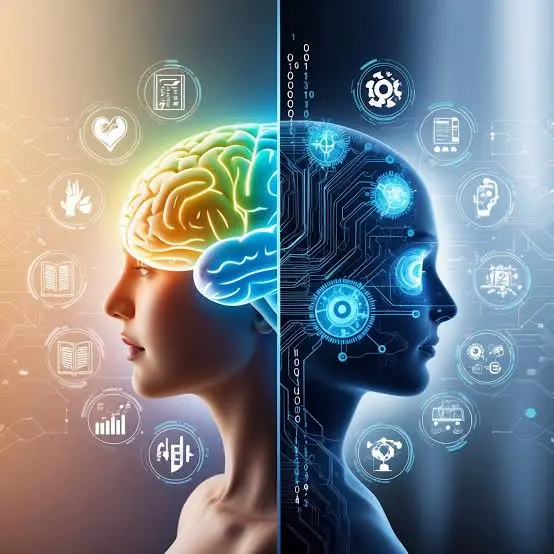
You might be surprised to learn just how integrated AI is into your daily routine. When you check your email, AI filters out the spam. When you use a navigation app, AI calculates the fastest route based on real-time traffic data. Even your social media feeds are curated by AI algorithms designed to keep you engaged.
This widespread integration demonstrates how AI is making technology more intuitive and helpful. As these systems become more sophisticated, we can expect them to become even more seamlessly woven into the fabric of our everyday lives.
Types of AI: Narrow vs. General
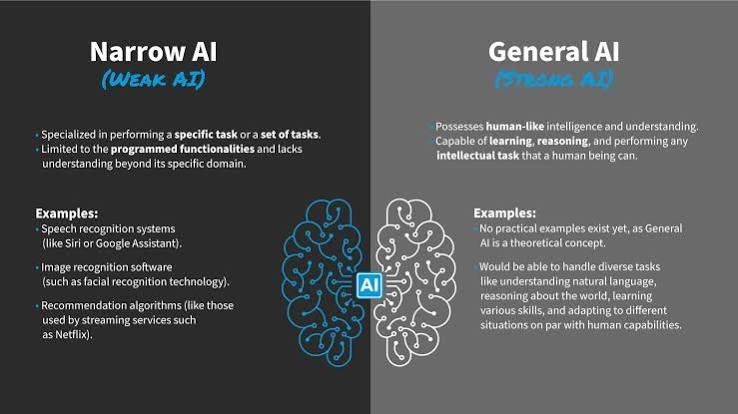
When discussing artificial intelligence and technology, it is important to distinguish between different types of AI. Currently, all the AI we use falls under the category of “Narrow AI” (or Weak AI). This means the system is designed and trained for a specific task, such as playing chess or translating languages. It may be excellent at that one task, but it cannot perform outside its programmed domain.
On the other hand, “General AI” (or Strong AI) is a theoretical form of AI that would possess human-like cognitive abilities across a wide range of tasks. While we see this in science fiction movies, we are still a long way from achieving true General AI in the real world.
The Rise of Generative AI
One of the most exciting recent developments in the AI space is the rise of Generative AI. This type of AI can create new content, such as text, images, or even code, based on the data it has been trained on. Tools like ChatGPT and Midjourney are prime examples of this technology in action.
Generative AI is revolutionizing creative fields and opening up new possibilities for automation and problem-solving. As this technology continues to evolve, it will undoubtedly have a profound impact on how we work and create. If you are interested in learning more about applying these tools, check out our guide on 10 Ways AI Can Help Small Businesses Save Time.
Why Understanding AI Matters
You do not need to be a programmer to benefit from understanding AI. In fact, developing basic digital skills and tech literacy is becoming essential for navigating the modern workforce. AI is automating routine tasks, which means human workers need to focus on complex problem-solving, creativity, and emotional intelligence—skills that machines cannot easily replicate.
Furthermore, as AI becomes more prevalent, it raises important ethical and societal questions. Issues like bias in AI algorithms, data privacy, and the impact on jobs require informed public discussion. By understanding the basics of AI, you can participate in these conversations and make informed decisions about the technology you use.

The Future of Smart Tech
The future of artificial intelligence and technology is incredibly promising, but it also presents significant challenges. According to the highly respected Stanford University AI Index Report 2024, the training costs of state-of-the-art AI models have reached unprecedented levels, and generative AI investment has skyrocketed to $25.2 billion. This massive investment indicates that AI will continue to advance at a rapid pace.
As these systems become more capable, we will need to develop robust frameworks for governance and ethical use. Education will play a crucial role in preparing society for this AI-driven future, ensuring that the benefits of this technology are accessible to everyone. To build a strong foundation, you might find our article on 10 Essential Computer Skills Everyone Should Learn in 2026 helpful.
Summary
In conclusion, understanding the relationship between artificial intelligence and technology is key to navigating the modern digital world. From the basics of machine learning to the practical applications in our daily lives, AI is fundamentally changing how we interact with technology. While the field can seem complex, grasping the fundamental concepts empowers you to utilize these tools effectively and engage in important conversations about our technological future. As artificial intelligence and technology continue to evolve, staying informed will be your greatest asset.
What are your thoughts on the future of AI? Leave a comment below or share this guide with someone who might find it helpful!